How to Make Your Dessert Table Stand Out
Christina
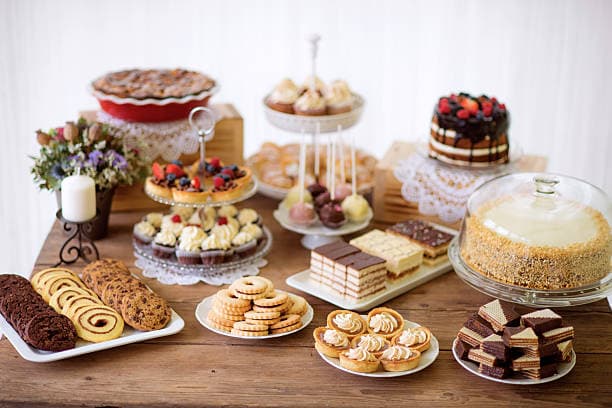
1. Lead With a Strong Visual Theme
A dessert table without a clear theme feels random — a table with one feels curated and intentional.
How to establish a strong visual theme:
∙ Choose a color palette of two to three complementary colors and commit to it fully
∙ Select a mood — romantic, playful, rustic, modern, or seasonal
∙ Let the theme guide every decision from the centerpiece to the smallest detail
A strong visual theme is the invisible thread that ties every element of the table together and makes the whole display feel professionally designed.
2. Invest in a Show-Stopping Centerpiece
The centerpiece is the first thing guests see — and it sets the standard for everything else.
Centerpiece options that command attention:
∙ A dramatic tiered cake in the event’s full color palette
∙ A towering cupcake display with coordinated frosting and toppers
∙ A statement dessert that is visually unlike anything else on the table
Everything else on the table should feel like it belongs in conversation with the centerpiece — supporting it rather than competing with it.
3. Master the Art of Height and Layering
A flat table feels forgettable — a table with varied heights feels dynamic and abundant.
How to create height and depth effectively:
∙ Use cake stands of varying heights as the primary elevation tool
∙ Stack covered boxes or risers beneath table linens for additional levels
∙ Place taller floral arrangements or decorative elements at the back
Height and layering create a sense of abundance and drama that makes even a modest dessert spread look genuinely impressive.
4. Use Negative Space Intentionally
Overcrowding a dessert table is one of the most common mistakes — and one of the easiest to avoid.
How to use negative space well:
∙ Leave breathing room between each dessert display
∙ Allow the eye to travel naturally from one element to the next
∙ Resist the urge to fill every inch of available surface
Negative space makes each dessert feel more considered and more important — and it gives the table an editorial quality that overcrowded displays simply cannot achieve.
5. Coordinate Every Detail
The details are what guests notice even when they cannot explain why the table looks so good.
Details that make a significant difference:
∙ Matching serving platters and cake stands in coordinated finishes
∙ Elegant flavor labels or personalized tags for every dessert
∙ Napkins, utensils, and serving tools that match the overall color palette
When every detail is coordinated — from the largest centerpiece to the smallest label — the table feels like it was designed rather than simply assembled.
6. Offer the Right Variety
A standout dessert table gives every guest something to reach for.
The ideal dessert table variety:
∙ One hero centerpiece — a cake or cupcake tower
∙ Two to three supporting dessert options — cookies, macarons, or cake pops
∙ A mix of chocolate, fruit, and vanilla based flavors
∙ At least one option that accommodates dietary restrictions
Variety signals generosity — and a table that considers every guest always feels more impressive than one that simply offers more of the same thing.
7. Light It Beautifully
Lighting is the single most underestimated element of any dessert table display.
How to use lighting effectively:
∙ Position the table near natural light whenever the venue allows
∙ Use warm string lights or candles to add warmth and intimacy
∙ Avoid harsh overhead lighting that flattens color and texture
Beautiful lighting transforms a good dessert table into a great photograph — and in today’s world a well lit dessert table generates content that extends the celebration far beyond the event itself.
8. Refresh the Table Throughout the Event
A standout dessert table looks its best when it is maintained throughout the celebration.
How to keep the table looking its best:
∙ Replenish desserts before they run visibly low
∙ Remove empty platters and replace them with fresh displays
∙ Straighten and restyle elements as guests help themselves
A well maintained dessert table looks abundant and intentional from the first guest to the last — and that consistency is what separates a truly memorable display from one that simply starts well.
Final Slice
A dessert table that truly stands out is never an accident — it is the result of intentional decisions made at every level of the design. When the theme is clear, the centerpiece is strong, and every detail is coordinated, the table becomes one of the most talked about features of the entire celebration.
Because a great dessert table doesn’t just hold sweets — it creates an experience.