How to Create a Cohesive Dessert Table Theme
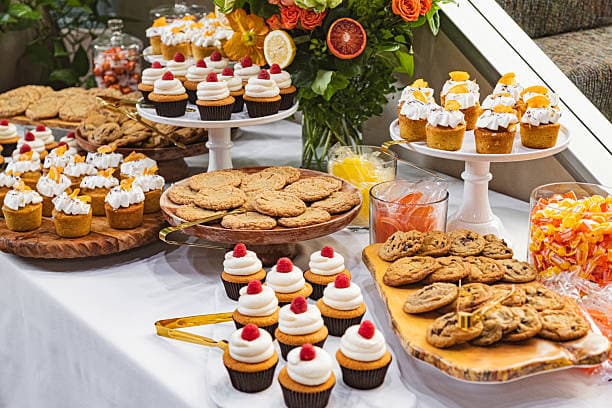
1. Choose Your Theme Before Anything Else
Every cohesive dessert table begins with a single clear decision.
How to define your theme:
- Identify the mood of the event — romantic, playful, rustic, modern, or seasonal
- Choose a color palette of two to three complementary shades and commit fully
- Let the theme inform every decision that follows from desserts to décor
A theme decided early becomes the creative filter through which every subsequent choice is made — and that clarity is what makes the finished table feel intentional rather than assembled.
2. Carry the Color Palette Across Every Element
Color is the most powerful tool in creating visual cohesion across a dessert table.
How to carry color effectively:
- Match frosting colors on cakes and cupcakes to the event's core palette
- Coordinate table linens, serving ware, and florals in the same tones
- Use a neutral base color — white ivory or champagne — to let the palette breathe
When every element on the table shares the same color language the result feels professionally designed rather than coincidentally assembled.
3. Coordinate Your Dessert Shapes and Sizes
Visual variety in shape and size creates depth — but coordination keeps it cohesive.
How to coordinate effectively:
- Pair round cakes with round cupcakes and circular macarons for a unified feel
- Introduce geometric elements — square cookies or rectangular bars — as deliberate contrast
- Keep proportions balanced so no single element overwhelms the others
Coordinated shapes and sizes give the table a sense of visual rhythm — and rhythm is what makes a styled table feel genuinely composed rather than simply full.
4. Use a Consistent Decorative Element Throughout
A single repeated decorative motif ties every element of the table together visually.
Effective repeated decorative elements:
- Florals — the same flower variety appearing on the cake cupcakes and in arrangements
- Metallic accents — gold or silver details repeated across toppers labels and serving ware
- A specific texture — ruffles pearls or geometric shapes carried across multiple desserts
Repetition creates visual harmony — and a table with one strong repeated motif always feels more considered than one with multiple competing decorative ideas.
5. Match Your Signage and Labels to the Theme
Signage and labels are often overlooked — but they are among the most noticed details on any dessert table.
How to make signage work for the theme:
- Choose a font style that matches the mood — script for romance sans serif for modern
- Print or handwrite labels in the table's core color palette
- Use label holders or frames that match the metallic or material finish of the serving ware
Cohesive signage elevates the entire table from a dessert display to a fully designed experience — and guests always notice when it has been done thoughtfully.
6. Style Your Backdrop Intentionally
The backdrop behind the dessert table is as important as the table itself.
Backdrop options that enhance cohesion:
- A floral wall in the event's color palette as the most dramatic option
- A fabric or paper drape in a coordinating neutral tone
- A personalized banner or sign that ties the theme together visually
A strong backdrop gives the dessert table a frame — and a framed dessert table always photographs more beautifully than one displayed against a plain or busy background.
7. Bring the Theme Into the Dessert Flavors
True cohesion goes beyond appearance — it extends into flavor as well.
How to align flavors with the theme:
- Seasonal themes call for seasonal flavors — citrus in spring warm spice in fall
- Romantic themes invite floral notes — rose lavender or elderflower
- Tropical themes pair naturally with coconut mango and passion fruit
When the flavors on the table reflect the theme as much as the visual elements do the dessert experience becomes fully immersive — and fully immersive is always fully memorable.
8. Edit Ruthlessly Before the Event
The most cohesive dessert tables are defined as much by what was removed as by what remained.
How to edit effectively:
- Remove any element that does not serve the theme or color palette
- Resist the temptation to add more — cohesion comes from restraint not abundance
- Step back and assess the table as a whole before finalizing every detail
A tightly edited dessert table always looks more intentional more professional and more beautiful than one where every available space has been filled.
Final Slice
A cohesive dessert table theme is never achieved by accident — it is the result of clear decisions made consistently from the first color choice to the final label placement. When every element speaks the same visual language the table stops being a collection of desserts and becomes a complete and unforgettable experience.
Because a truly cohesive dessert table does not just look beautiful — it tells a story.