The Beginner's Guide to Art Galleries (How to Actually Enjoy One)
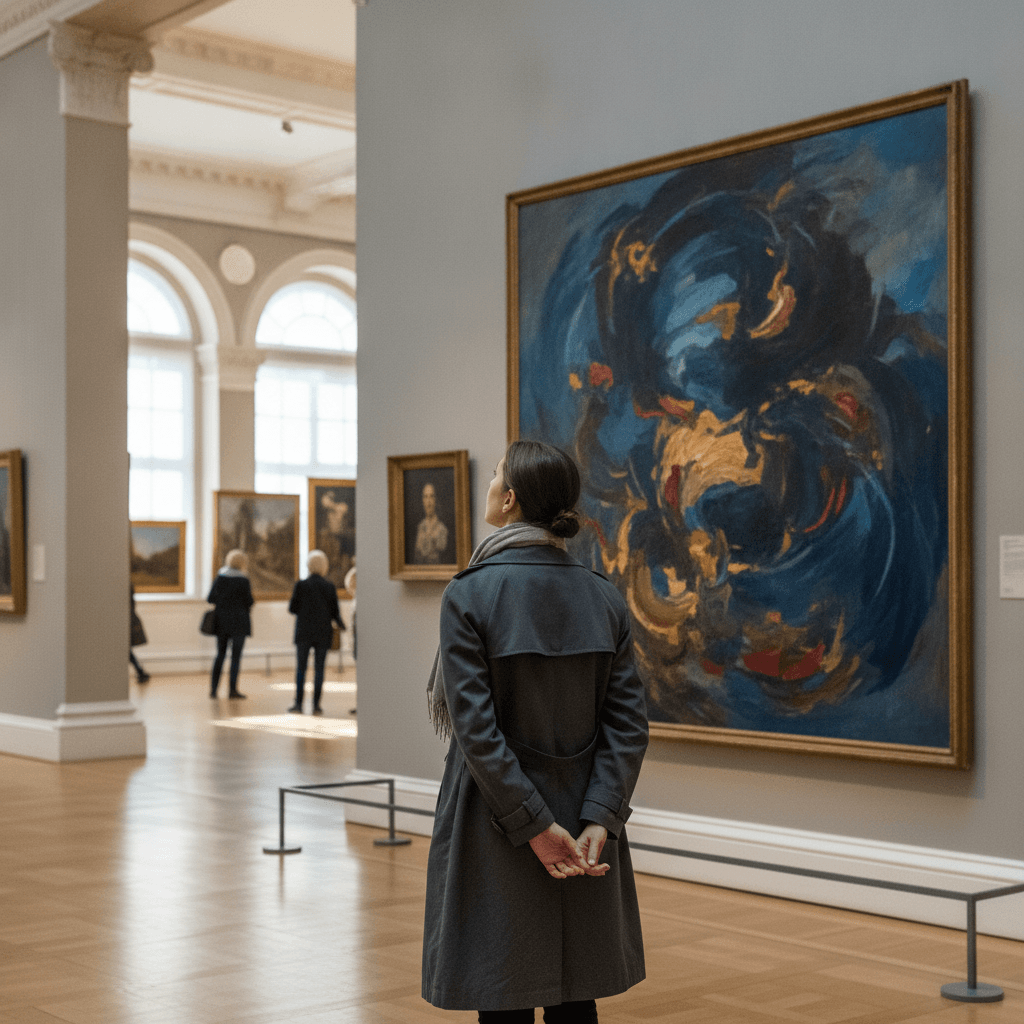
Galleries intimidate non-art people: the hushed atmosphere, the 'am I supposed to get it?' feeling, the standing-quietly-until-your-legs-ache format. This guide exists to fix that, because galleries are genuinely pleasurable once you have a working approach — and the Hudson Valley's gallery scene (Beacon, Kingston, Hudson) is too good to waste on intimidation.
The Mindset Shift That Unlocks Everything
Galleries aren't tests; they're menus. The goal isn't to understand every work or even like every work — it's to find the two or three pieces that speak to you specifically and spend real time with them. The permission slip: you are allowed to walk past most of the work. Nobody at the gallery knows or cares whether you looked at everything. The pros don't either — curators and artists, when visiting galleries, often spend 20 minutes total, stopping deeply on only what grabs them. That's the technique.
The Practical Method: How Long per Piece
The research on museum viewing says visitors average 8–15 seconds per artwork — which is why most people leave museums feeling like they saw nothing. The fix is simple: pick fewer pieces, look longer. Thirty seconds on a piece you don't love; two-to-five minutes on a piece that's working on you. What to do during the two minutes:
- First: overall impression. What's the mood?
- Then: walk closer. What's the technique at close range? (The surface detail is a second artwork; many paintings are fascinating at macro)
- Then: step back. See it as a whole again.
- Optional: read the wall text LAST, not first. The text tells you what to think; the looking tells you what you think. Reverse the order and your experience becomes your own.
The Questions That Unlock Any Painting
Stuck in front of something and not sure what to think? The starter questions:
- What's the first thing my eye lands on? (Where did the artist put the attention-grabber?)
- What's the light doing? (Source, direction, mood)
- What are the three dominant colors, and are they friends (analogous) or combatants (complementary)?
- How did this get made? (thick paint, thin paint, precision, chaos)
- Would I live with this? Why or why not? (This is the money question — it surfaces your real response)
Four questions deep on a piece you care about is an honest gallery session. You don't need to know the movement, the period, or the artist's name for the questions to work.
Gallery Etiquette (The Unwritten but Real)
The social rules at galleries are simple once you know them:
- Photos: many galleries allow them (check signage); never flash
- Kids: welcome at most galleries; the etiquette is same as restaurants — as long as they're engaged, they're great; a melting-down kid is taken outside
- Touching: never — even 'just to feel the texture'; the oils from fingers damage work
- Talking: fine at normal volume; galleries are loud-ish social spaces outside of museums
- Asking staff questions: encouraged! Gallery staff love talking about the work; asking 'what am I looking at here?' is a respected approach, not a faux pas
- The opening events: open to the public, often free — see the local gallery rhythm post; openings are the fun version of gallery culture
Where to Start in the Hudson Valley
Beginner-friendly gallery experiences near us:
- Dia:Beacon — the ideal training-ground museum: big work, room to think, benches everywhere, zero intimidation in practice
- Storm King — outdoors, sculpture is the friendliest medium (you're walking around the work; the 'getting it' pressure is lower)
- Beacon Second Saturday (monthly) — gallery stroll with crowds, less hushed, more social; a gateway
- Kingston First Saturdays — gallery openings + reception energy + the Stockade's walkable density
- Our paint nights — the low-stakes entry into making rather than viewing; the two are on the same continuum
The Cumulative Payoff
Galleries reward practice: your fifth visit is more pleasurable than your first because looking is a skill that develops with exercise. The first year of regular gallery-going builds your visual vocabulary; the second year builds preferences; the third builds taste. And by then you have favorite artists you follow, and the gallery experience shifts from 'visiting' to 'checking in on someone whose work you love.' That's the good stuff, and it arrives faster than people expect.
Go to a gallery this weekend — pick three pieces, spend five minutes each, and that's a real session. And if looking makes you want to make: paint night is the natural next step.